Articles

Examining the apparent contradiction between Isaac as Abraham's 'only son' and the biblical record of his eight biological children.

An examination of the apparent contradiction between Paul's 'justified by faith' and James's 'justified by works,' revealing complementary truths about saving faith.
A careful look at the textual differences between 2 Samuel 23:8 and 1 Chronicles 11:11—and what they actually tell us about Scripture's reliability.
An introduction to our Bible contradictions series—why we're doing this, who we're doing it for, and how we approach these challenges with intellectual rigor and pastoral care.
The magician exposes the trick, but Scripture addresses the hunger. Part two examines what the Christian tradition teaches about divination—and why the Ouija board prompt reveals something deeper than bad epistemology.

A growing number of users are treating large language models like digital divination tools—constraining outputs to yes/no answers and interpreting the results as revelation. Part one examines the phenomenon and why magicians have always been the first to call out the trick.
How would the Puritans respond to artificial intelligence? Their rigorous theology of truth, vocation, and human dignity provides surprising insight for navigating our algorithmic age.
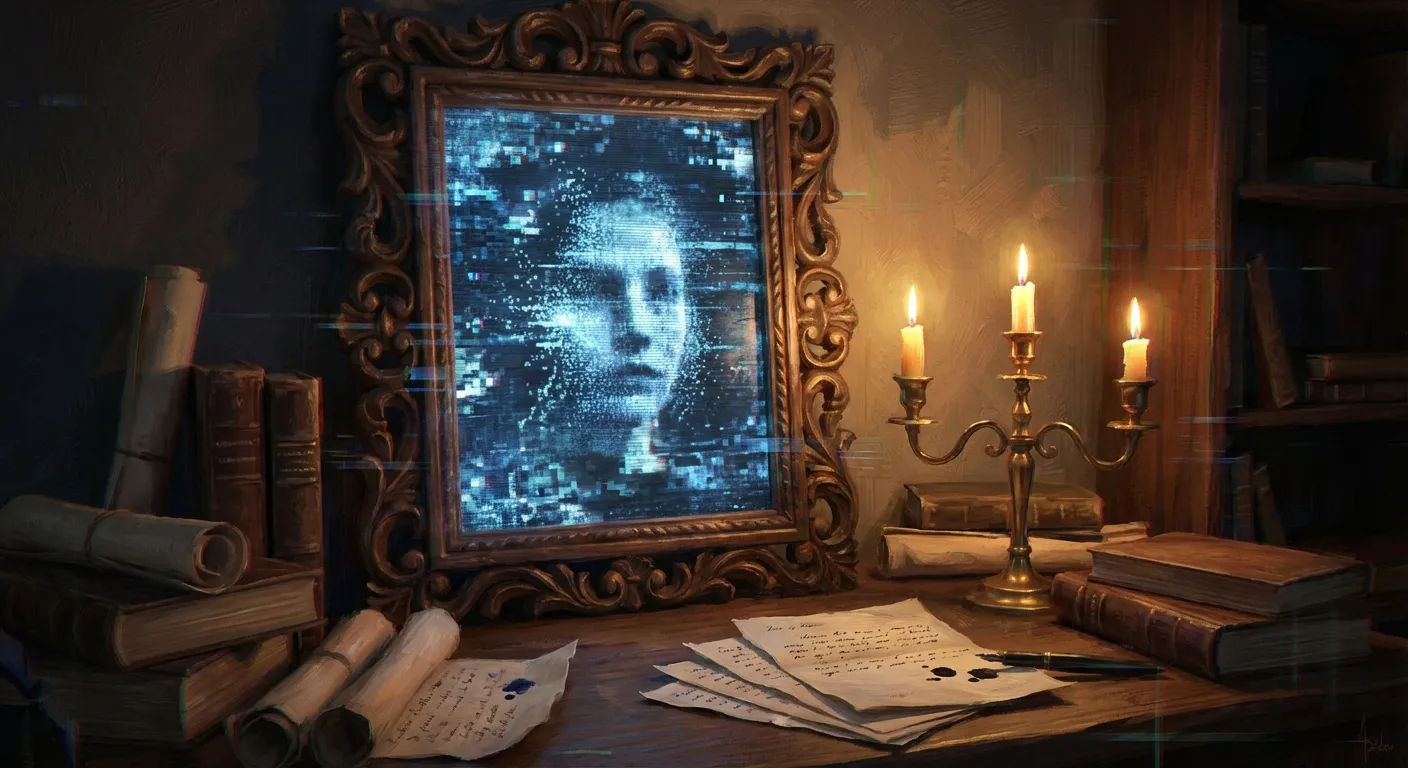
Part four of our AI series—examining the theological boundaries around using artificial intelligence to simulate conversations with deceased loved ones.

Part three of a three-part series—having diagnosed algorithmic idolatry and distinguished proper fear from slavish terror, we now explore what Scripture means by 'the fear of the Lord' and how it reorients the soul in the silicon age.
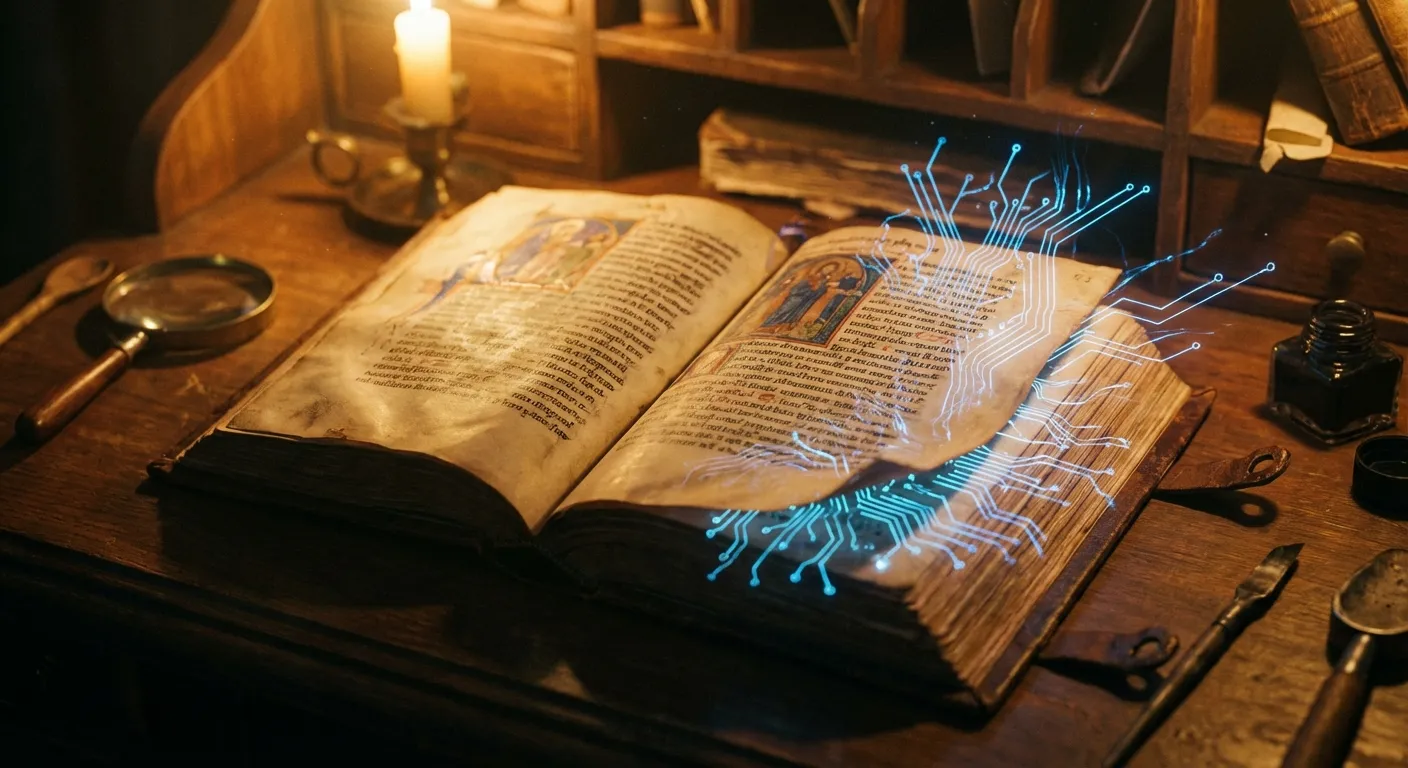
A theological examination of artificial intelligence through the lens of providence, idolatry, and the Creator-creature distinction.