Articles
Zeitgeist claims Moses shattering the Golden Calf symbolizes the transition from the Age of Taurus to Aries, and that Jews blow the ram's horn to celebrate this zodiacal shift. The historical and textual evidence says otherwise.
Zeitgeist alleges that Moses, Jesus, and biblical eschatology encode the astronomical 'Precession of the Equinoxes'—with scripture secretly tracking transitions between astrological ages. What does the evidence show?
After examining Horus, Mithras, Attis, Dionysus, Gilgamesh, Sargon, and the Book of the Dead, one conclusion is clear: the 'plagiarism' narrative depends on fabrication, misrepresentation, and methodological error.

Zeitgeist claims the Decalogue was 'taken outright' from Egyptian funerary spells. But one is magic for the dead, the other is law for the living—and the theology is explicitly anti-Egyptian.

Zeitgeist claims Moses' birth story was plagiarized from Sargon of Akkad. But the Sargon text dates to 700 BCE, the narratives have opposite purposes, and the Hebrew word 'tebah' links Moses to Noah—not Mesopotamia.

Zeitgeist claims the Genesis flood is plagiarized from Mesopotamian mythology. But even scholars who see literary dependence reject the plagiarism label—and the Wiseman Hypothesis offers a compelling alternative.
Zeitgeist claims Dionysus was born of a virgin, turned water into wine, and rose from the dead. But Zeus had sex with Semele, 'IES' isn't the origin of 'Jesus,' and the Eucharist isn't copied from Dionysian omophagy.
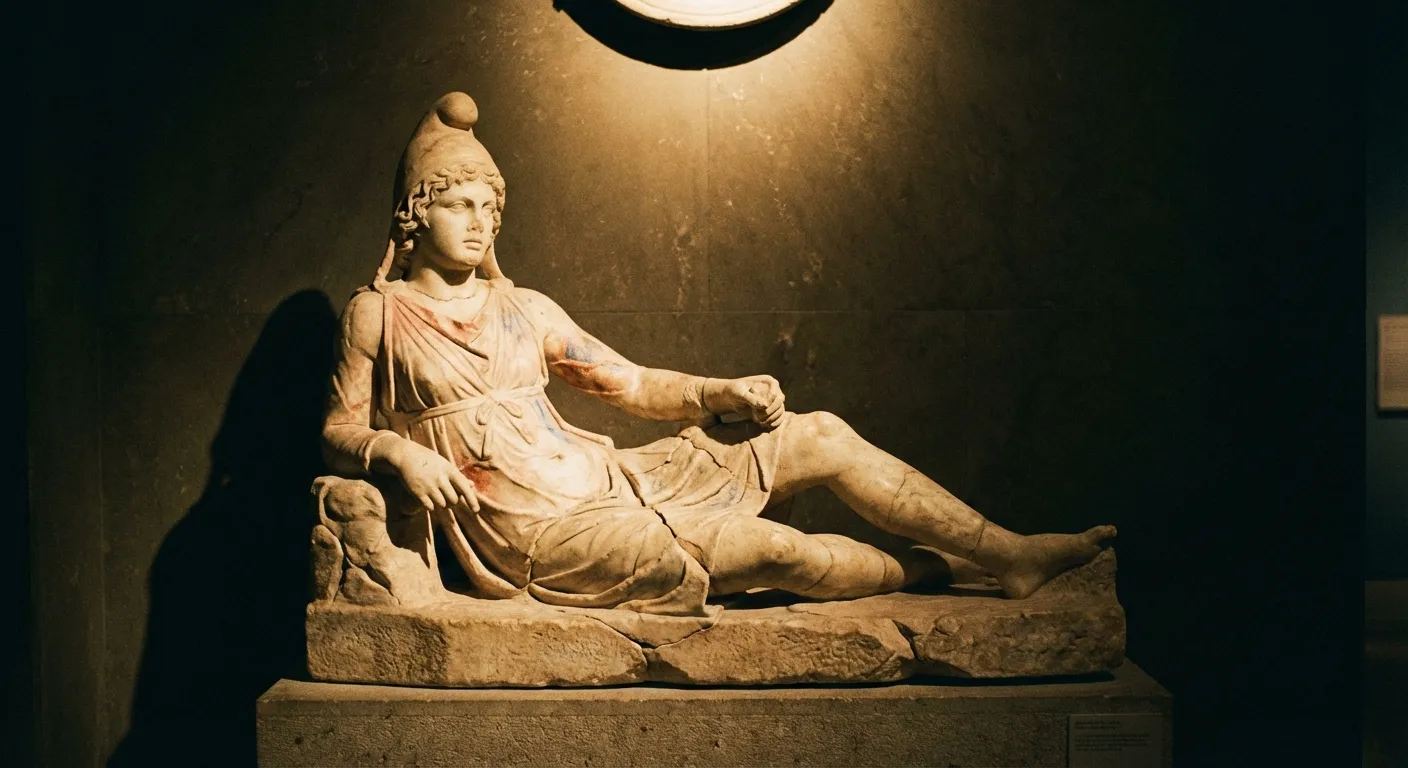
Zeitgeist claims Attis was born of a virgin, crucified, and rose after three days. But Attis died by self-castration, his body was preserved (not resurrected), and the 'dying and rising god' category has collapsed.
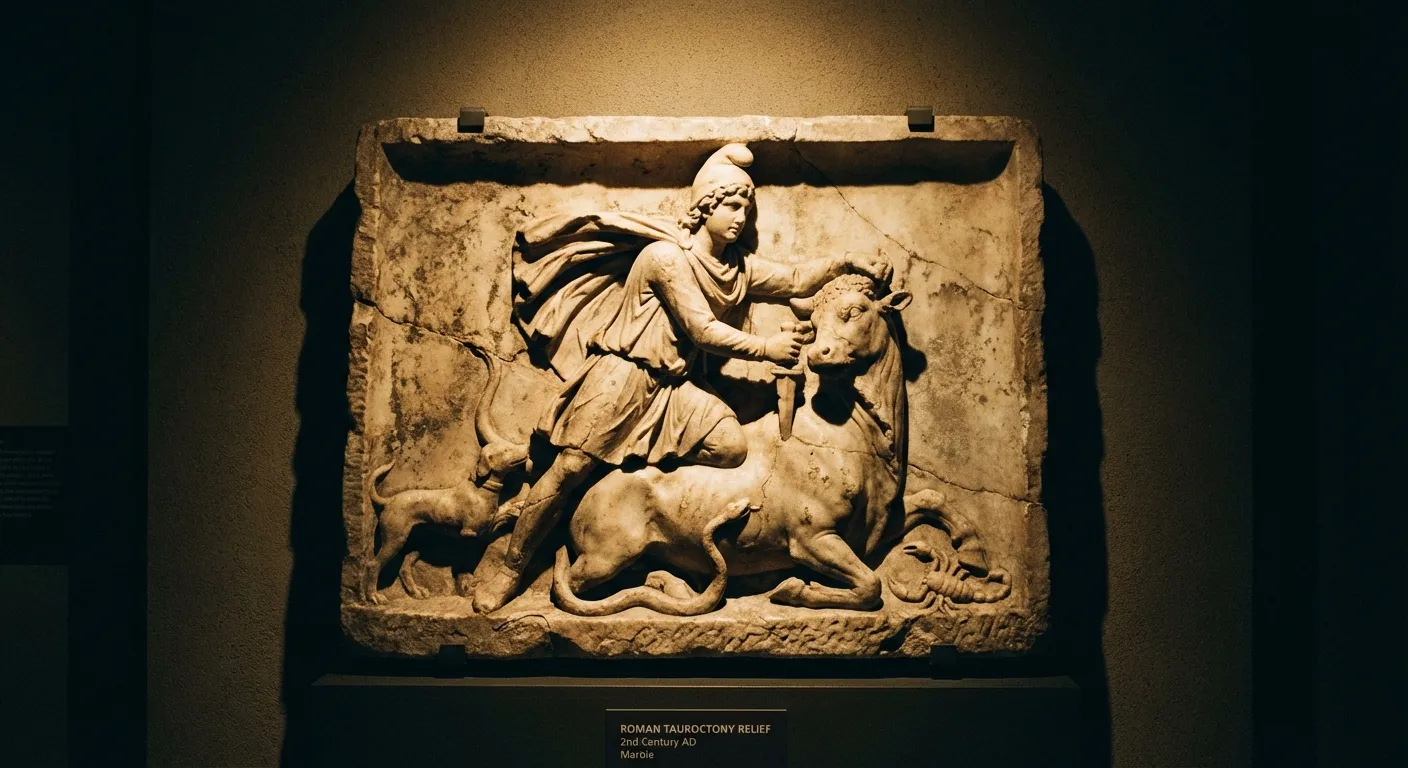
Zeitgeist claims Mithras was born of a virgin, had twelve disciples, and rose from the dead. But Mithras was born from a rock, the cult flourished after Christianity, and there's no resurrection in his mythology.
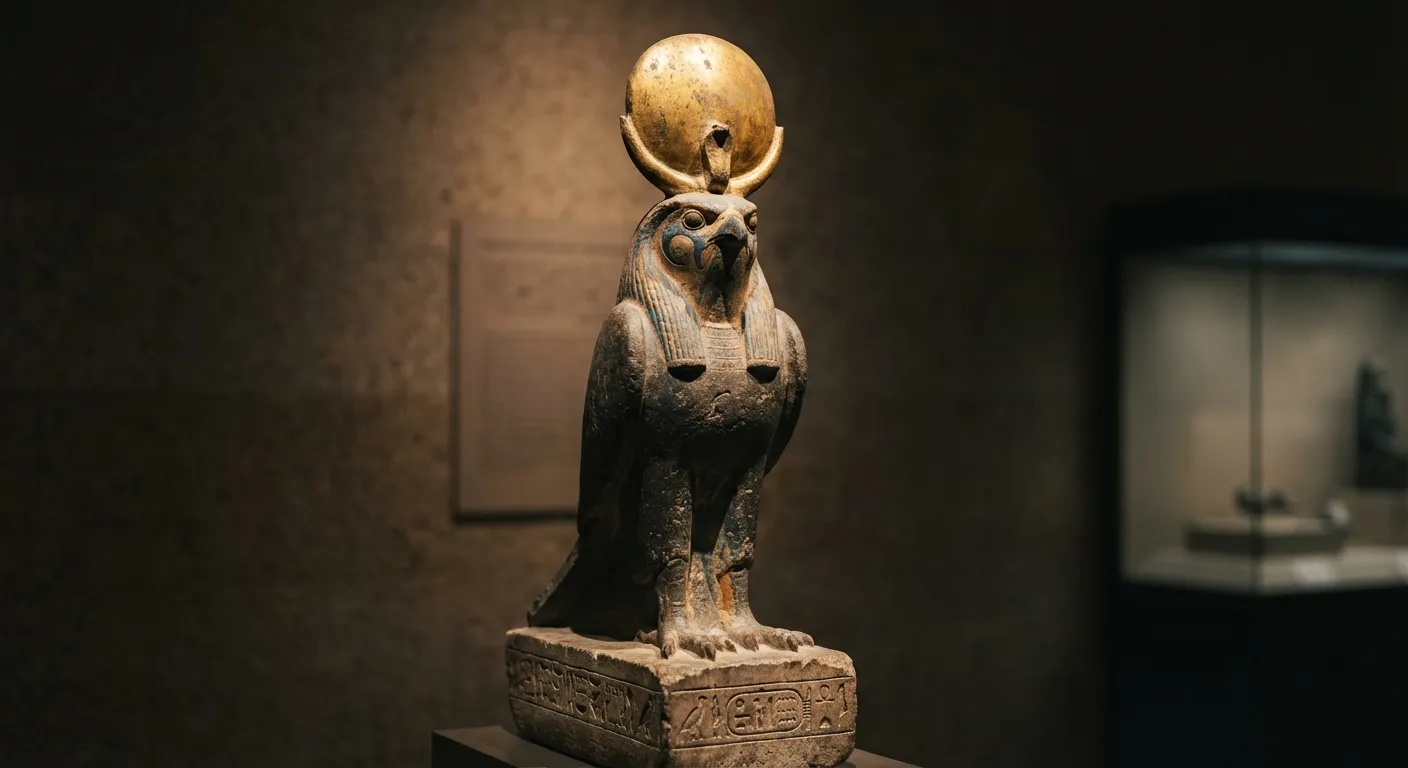
Zeitgeist claims Horus was born of a virgin on December 25, had twelve disciples, was crucified, and rose after three days. Egyptian sources tell a very different story.