Reformation
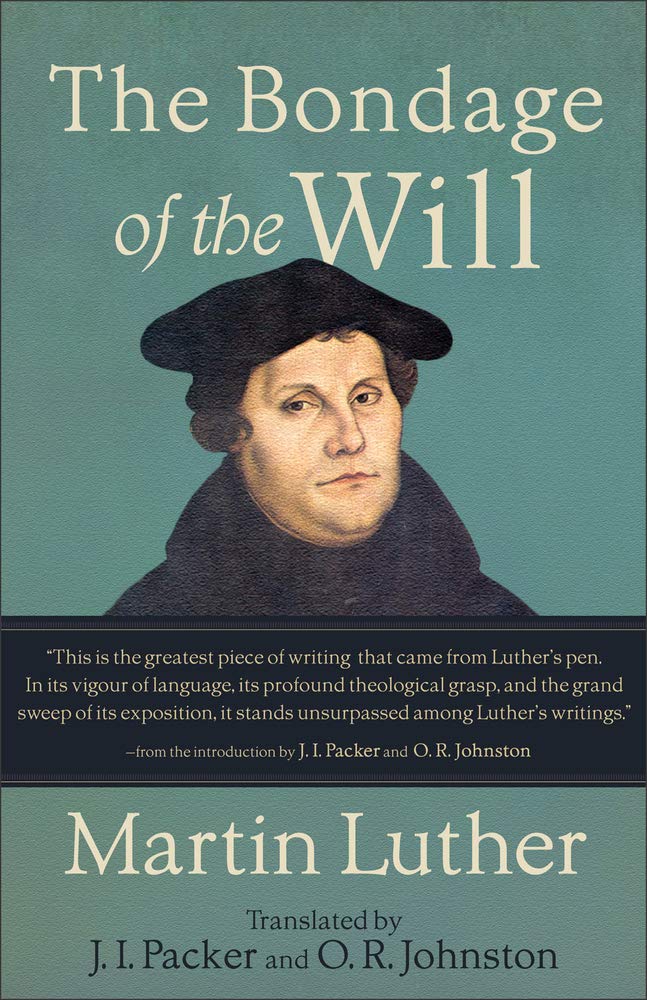
The Bondage of the Will
by Martin Luther
Synopsis
In 1525, Erasmus of Rotterdam published a defense of free will, arguing that human beings have the natural ability to choose or reject God's grace. Martin Luther's reply, The Bondage of the Will, is one of the most forceful theological arguments ever written. Luther contends that apart from the sovereign, regenerating work of the Holy Spirit, the human will is not free but enslaved to sin — incapable of choosing God. Drawing heavily from Romans 9, Ephesians 2, and the Gospel of John, Luther makes the case that salvation is entirely a work of God from beginning to end. Luther himself considered this book, along with his catechism, the only work of his truly worth preserving. It remains the definitive Protestant statement on the doctrines of grace and divine sovereignty.
Who Should Read This?
Serious students of theology, church history, and the Reformation. This book is essential reading for anyone exploring the doctrines of grace, the sovereignty of God in salvation, or the historical debate between Calvinism and Arminianism. It is challenging but deeply rewarding for those willing to engage with Luther's passionate and rigorous argumentation.