Tag: zeitgeist
26 articles

After examining twenty-five articles' worth of claims—solar deity parallels, pagan plagiarism, astrological ages, and political manipulation—what have we learned? And more importantly, what do we do now?
Zeitgeist argues that religion detaches humans from nature, demands blind submission, and eliminates moral responsibility. But what does the actual teaching of Jesus reveal about authority, ethics, and human accountability?
Zeitgeist claims Constantine convened the Council of Nicea to manufacture Christian doctrine for political control. But what do the historical sources actually reveal about what happened—and didn't happen—at Nicea?

Zeitgeist claims no historian documented Jesus and that Josephus was forged. But what do scholars—including skeptics—actually conclude about the evidence for the historical Jesus?
Zeitgeist concludes that Jesus never existed, that Constantine manufactured Christianity at Nicea, and that religion is fundamentally a tool for political manipulation. What does the evidence actually show?
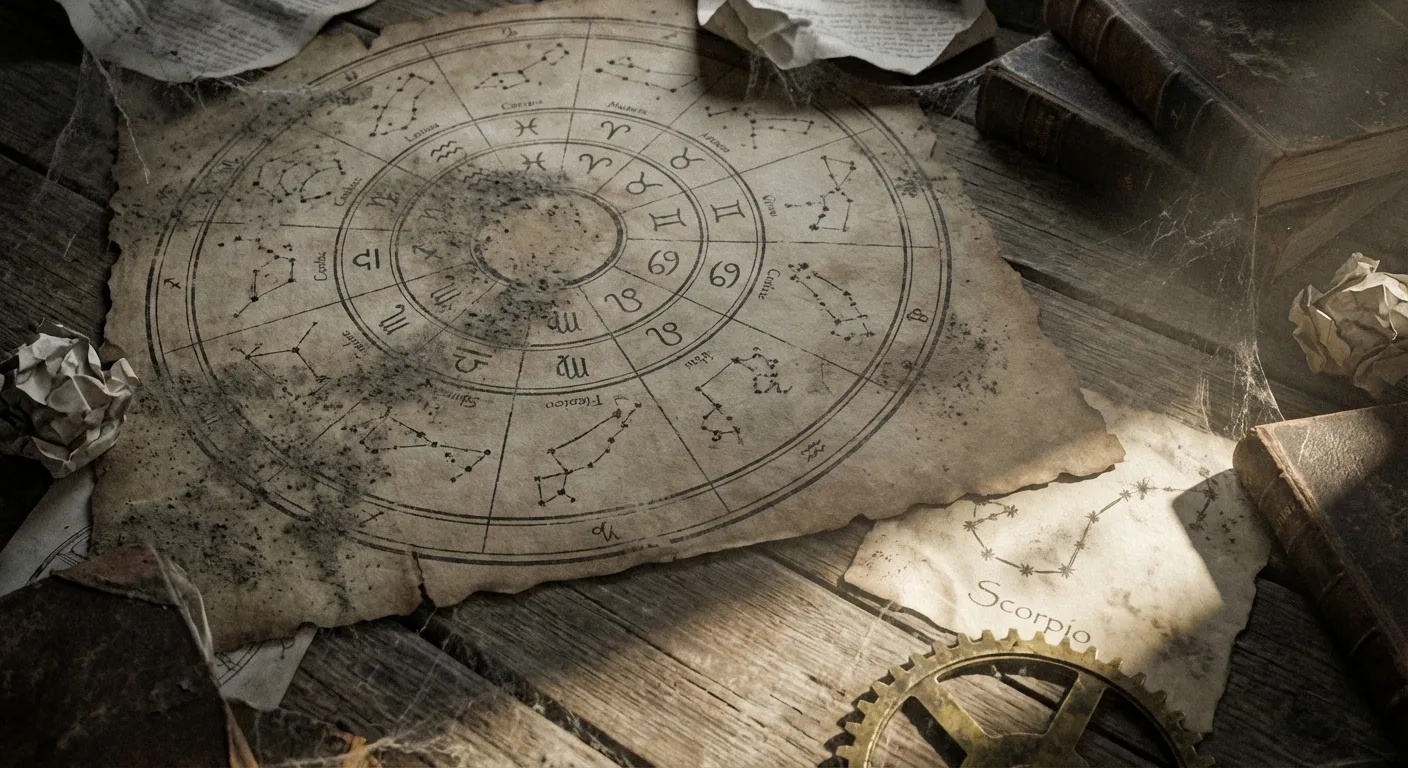
After examining Moses and Aries, Jesus and Pisces, and the 'End of the Age' as Aquarius, one conclusion emerges: the Bible-as-astrology thesis is historically impossible, textually unsupported, and methodologically bankrupt.

Zeitgeist claims that 'end of the world' is a mistranslation—that Matthew 28:20 actually refers to the end of the astrological Age of Pisces and the dawning of Aquarius. But the Greek, the context, and the timeline all say otherwise.

Zeitgeist claims Jesus' association with fish—disciples as fishermen, the feeding miracles, the ichthys symbol—encodes the astrological Age of Pisces. But the evidence points to geography, economics, and Jewish theology instead.
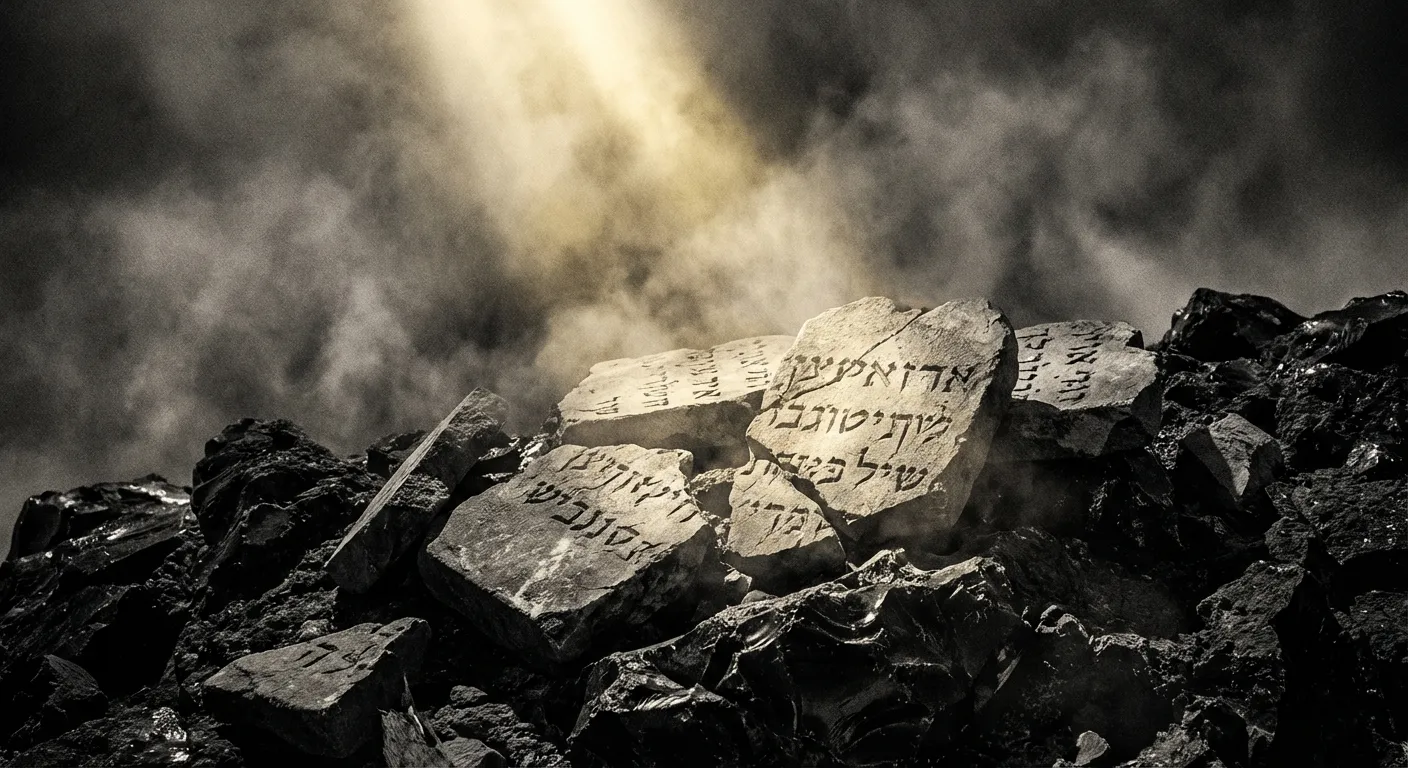
Zeitgeist claims Moses shattering the Golden Calf symbolizes the transition from the Age of Taurus to Aries, and that Jews blow the ram's horn to celebrate this zodiacal shift. The historical and textual evidence says otherwise.
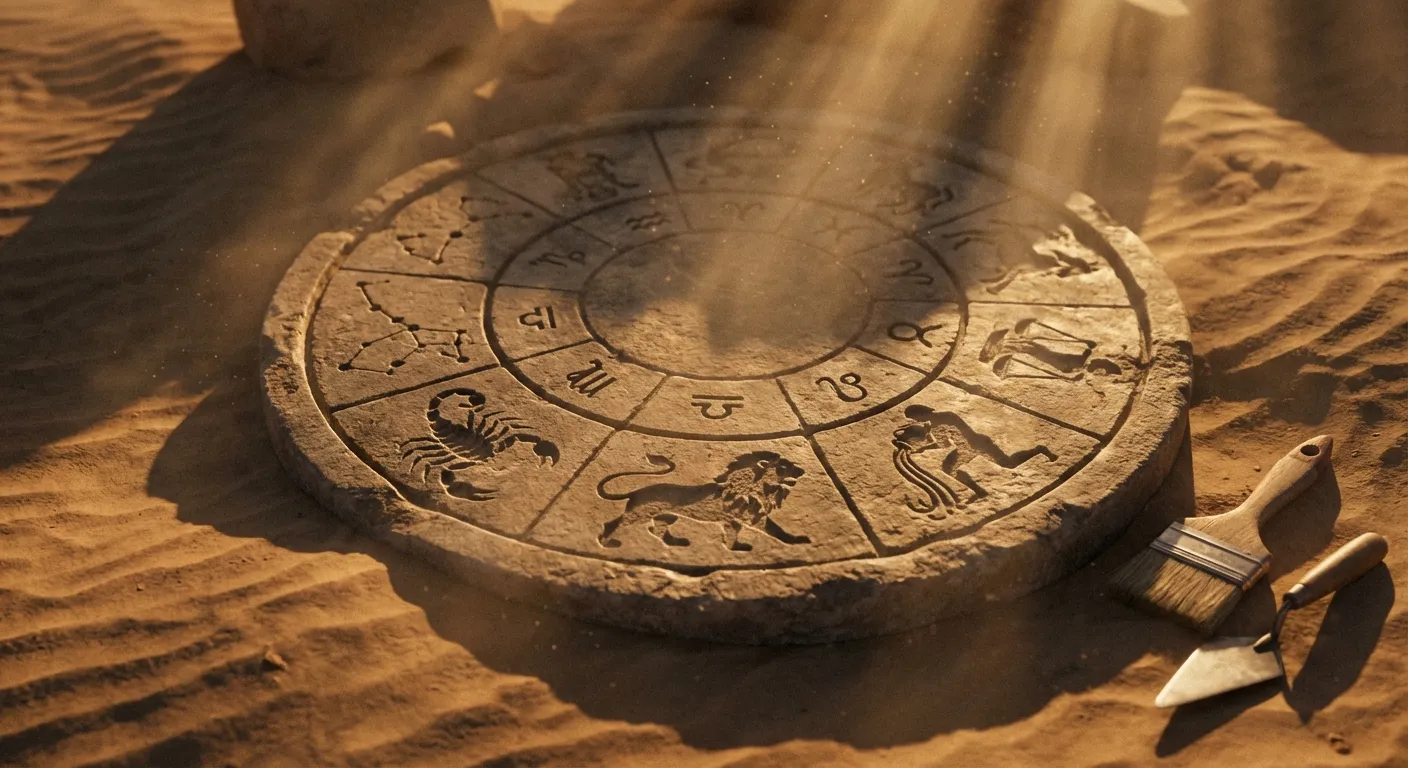
Zeitgeist alleges that Moses, Jesus, and biblical eschatology encode the astronomical 'Precession of the Equinoxes'—with scripture secretly tracking transitions between astrological ages. What does the evidence show?
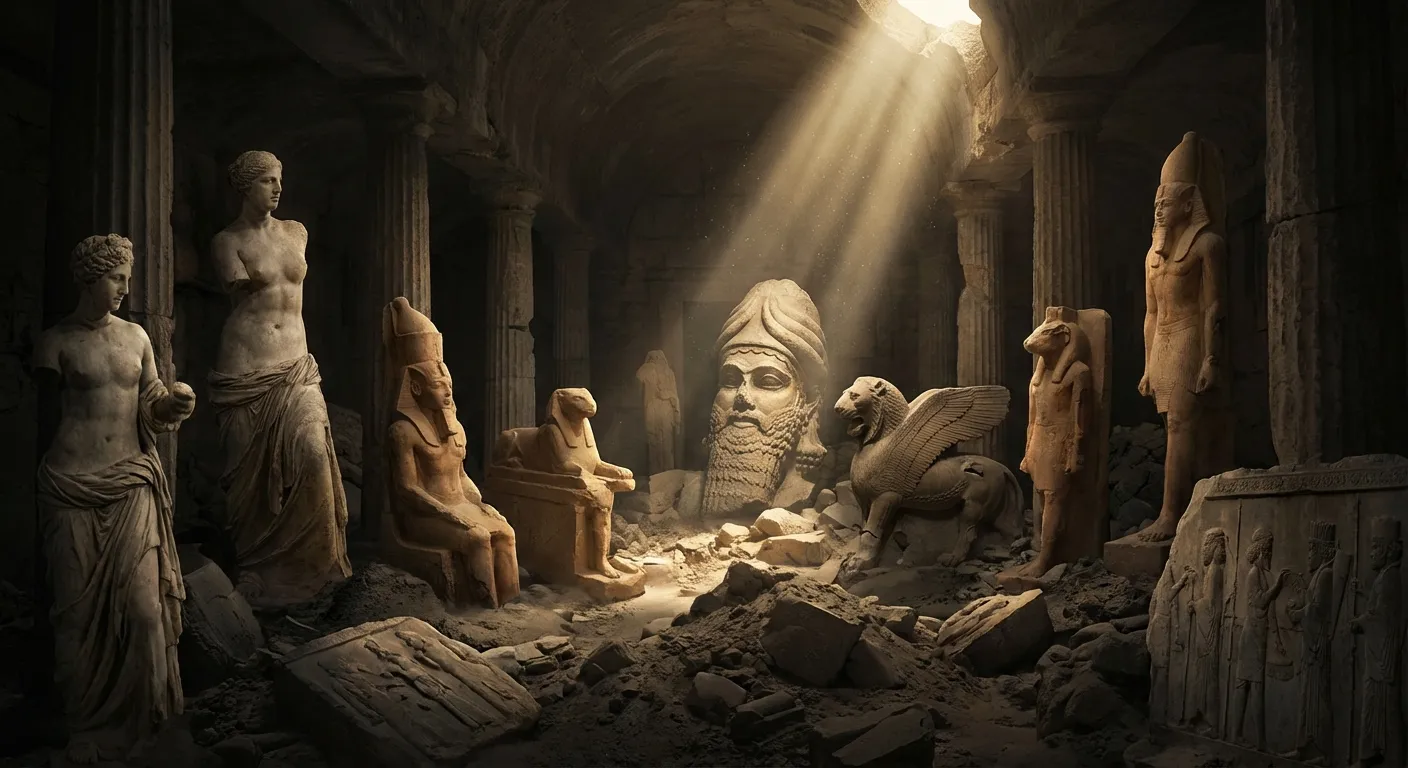
After examining Horus, Mithras, Attis, Dionysus, Gilgamesh, Sargon, and the Book of the Dead, one conclusion is clear: the 'plagiarism' narrative depends on fabrication, misrepresentation, and methodological error.
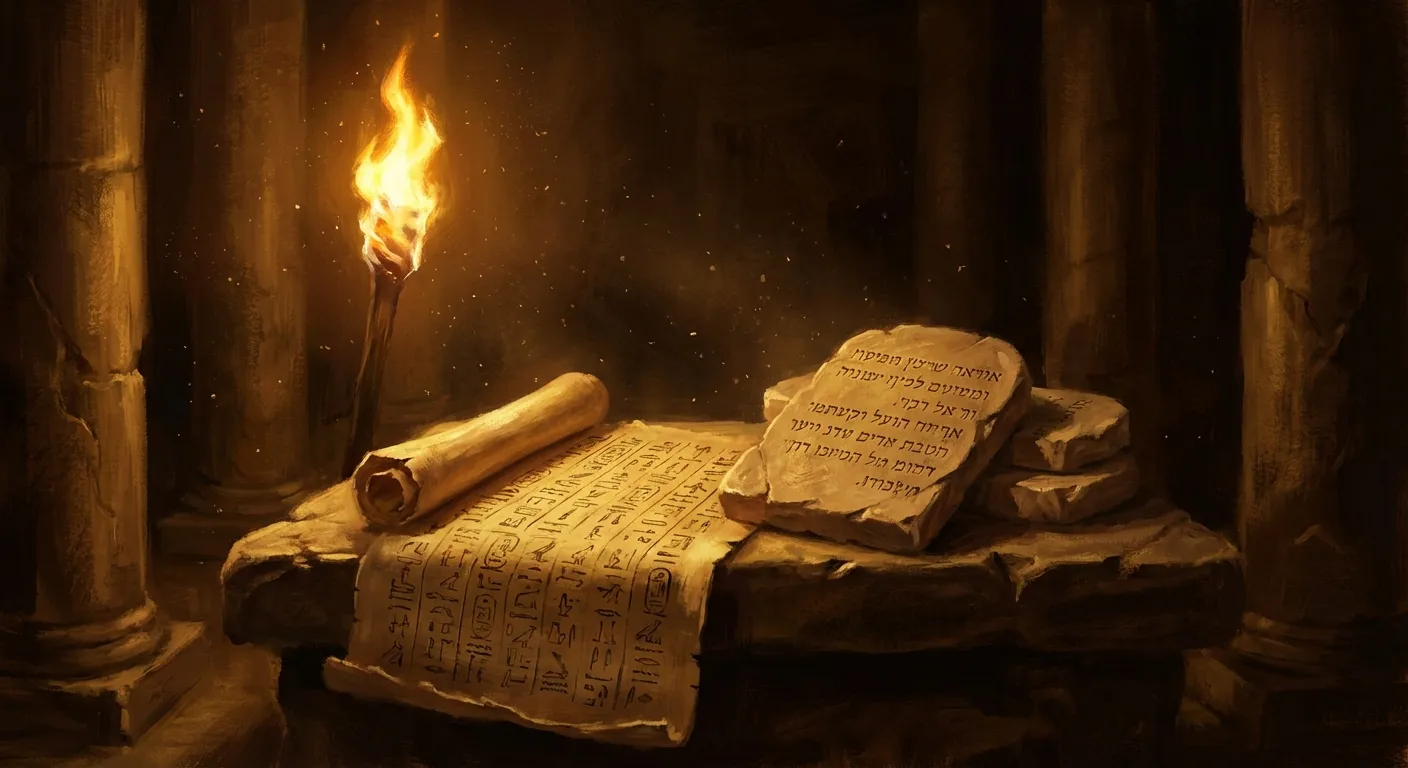
Zeitgeist claims the Decalogue was 'taken outright' from Egyptian funerary spells. But one is magic for the dead, the other is law for the living—and the theology is explicitly anti-Egyptian.
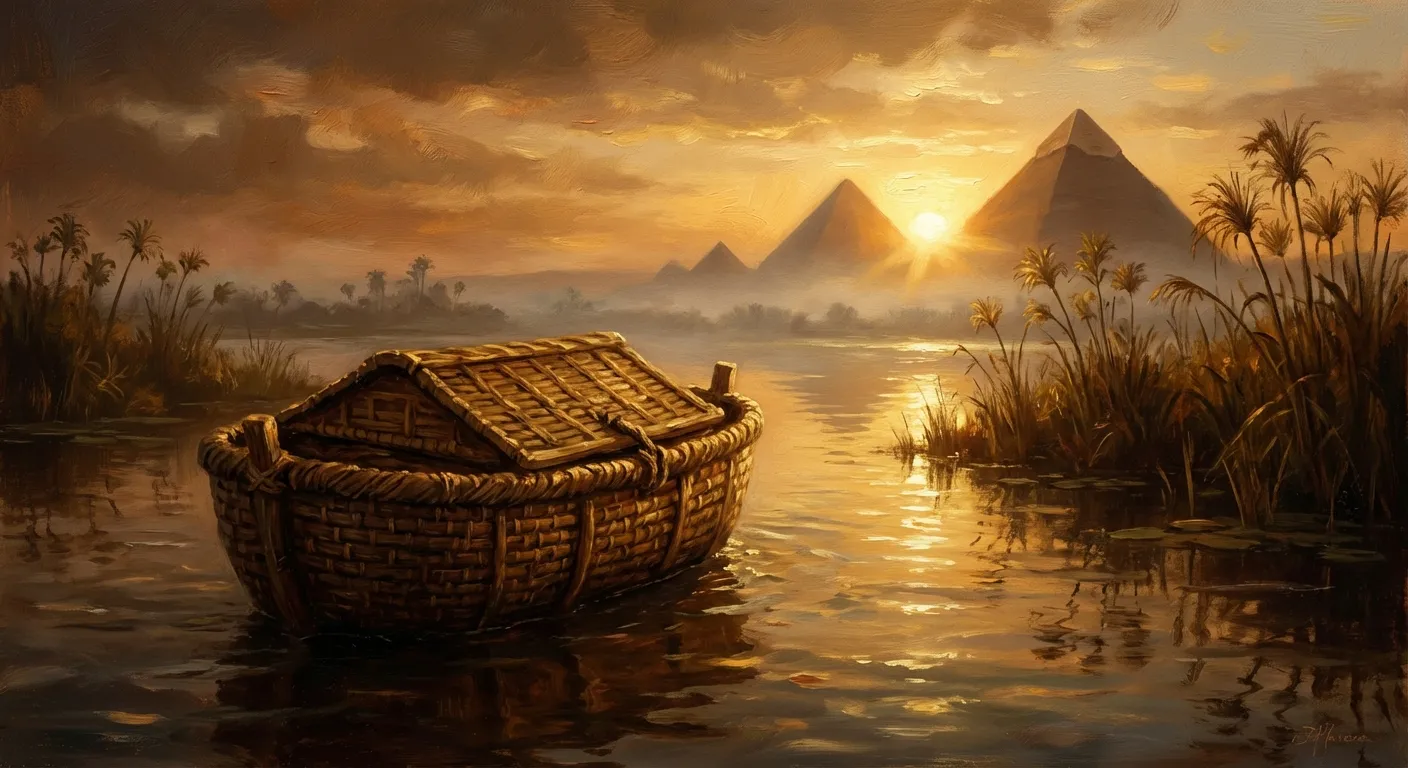
Zeitgeist claims Moses' birth story was plagiarized from Sargon of Akkad. But the Sargon text dates to 700 BCE, the narratives have opposite purposes, and the Hebrew word 'tebah' links Moses to Noah—not Mesopotamia.
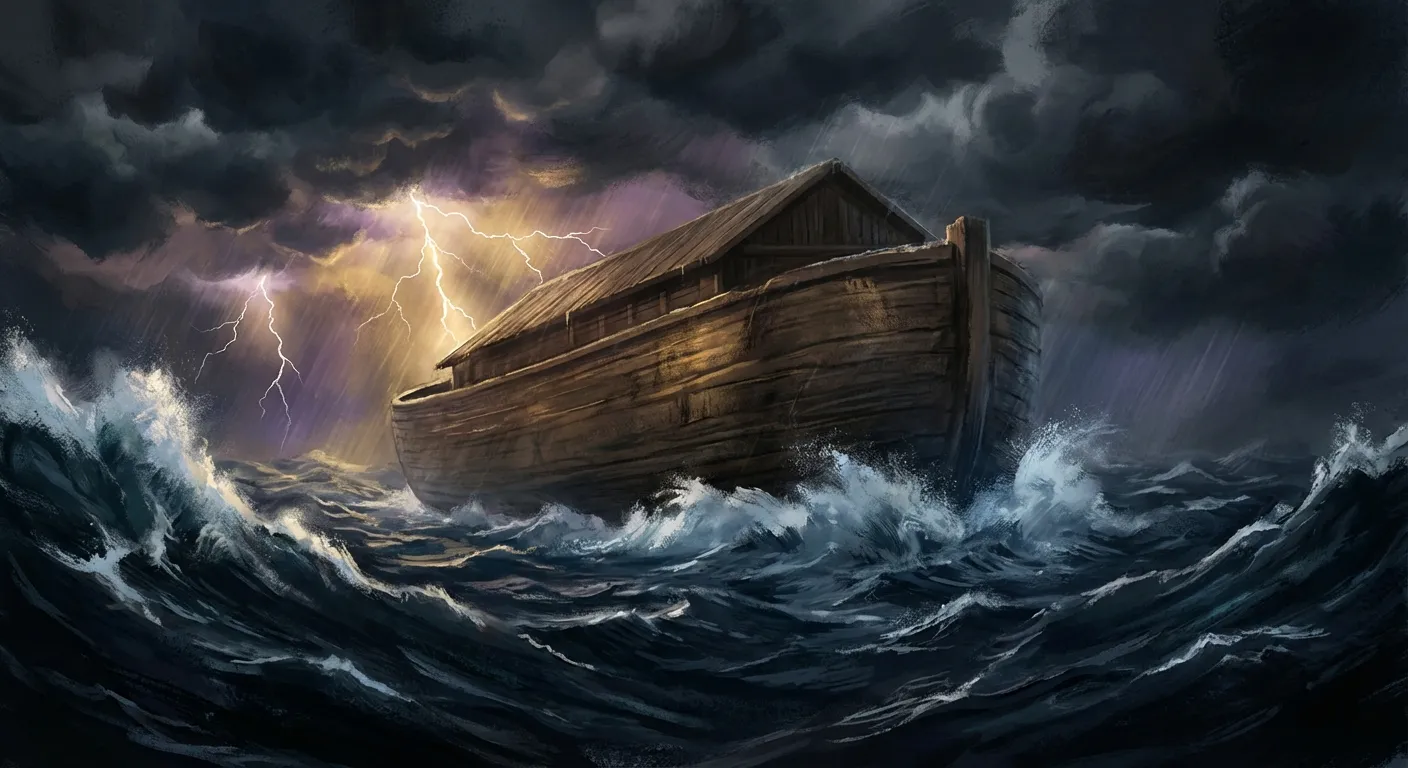
Zeitgeist claims the Genesis flood is plagiarized from Mesopotamian mythology. But even scholars who see literary dependence reject the plagiarism label—and the Wiseman Hypothesis offers a compelling alternative.
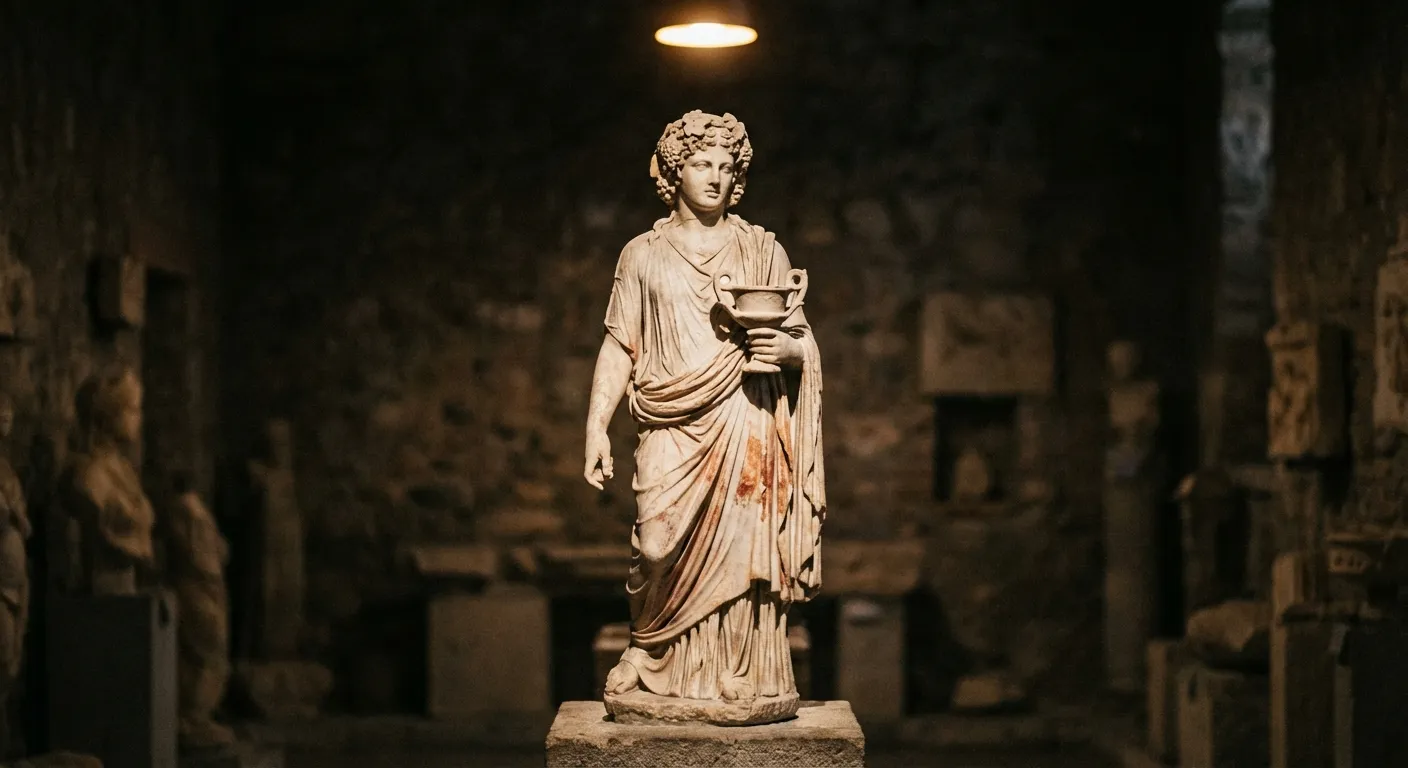
Zeitgeist claims Dionysus was born of a virgin, turned water into wine, and rose from the dead. But Zeus had sex with Semele, 'IES' isn't the origin of 'Jesus,' and the Eucharist isn't copied from Dionysian omophagy.
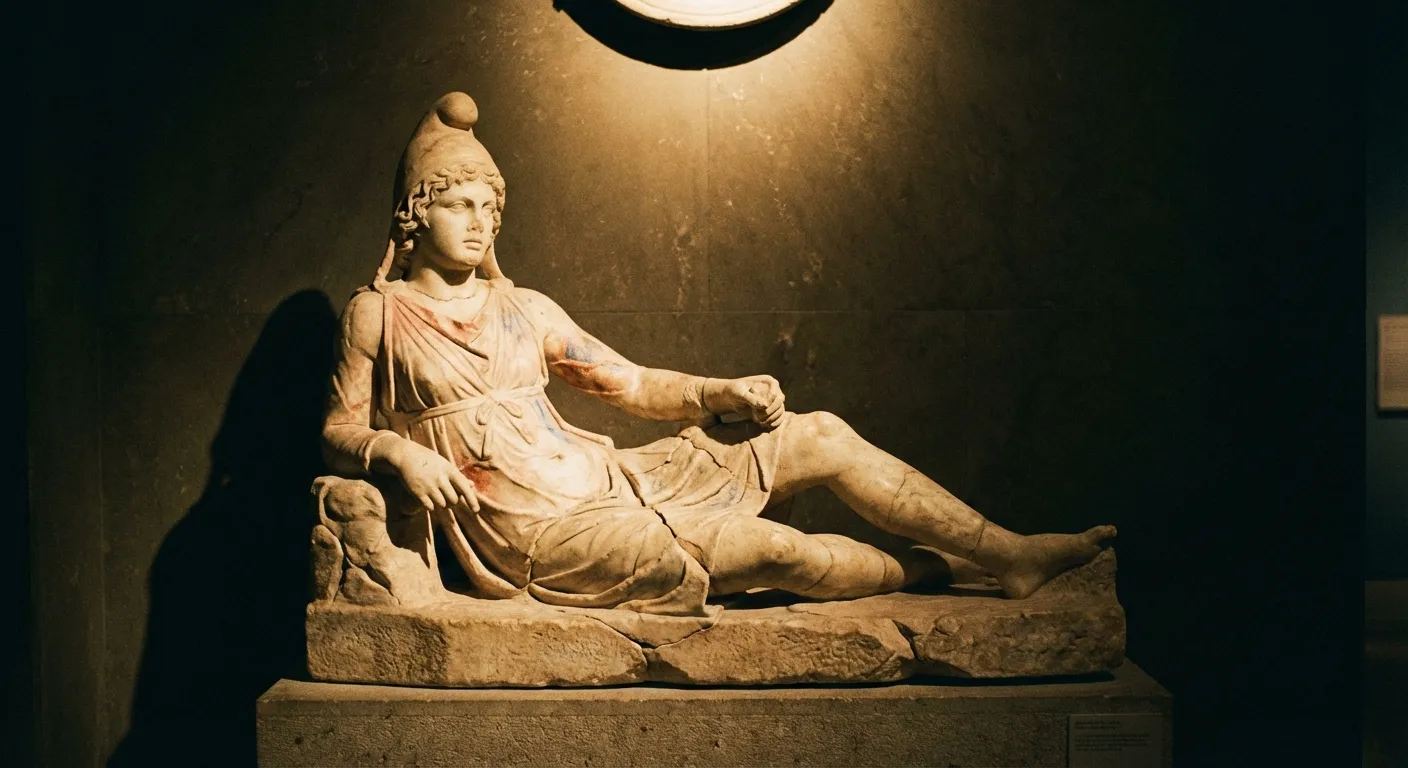
Zeitgeist claims Attis was born of a virgin, crucified, and rose after three days. But Attis died by self-castration, his body was preserved (not resurrected), and the 'dying and rising god' category has collapsed.
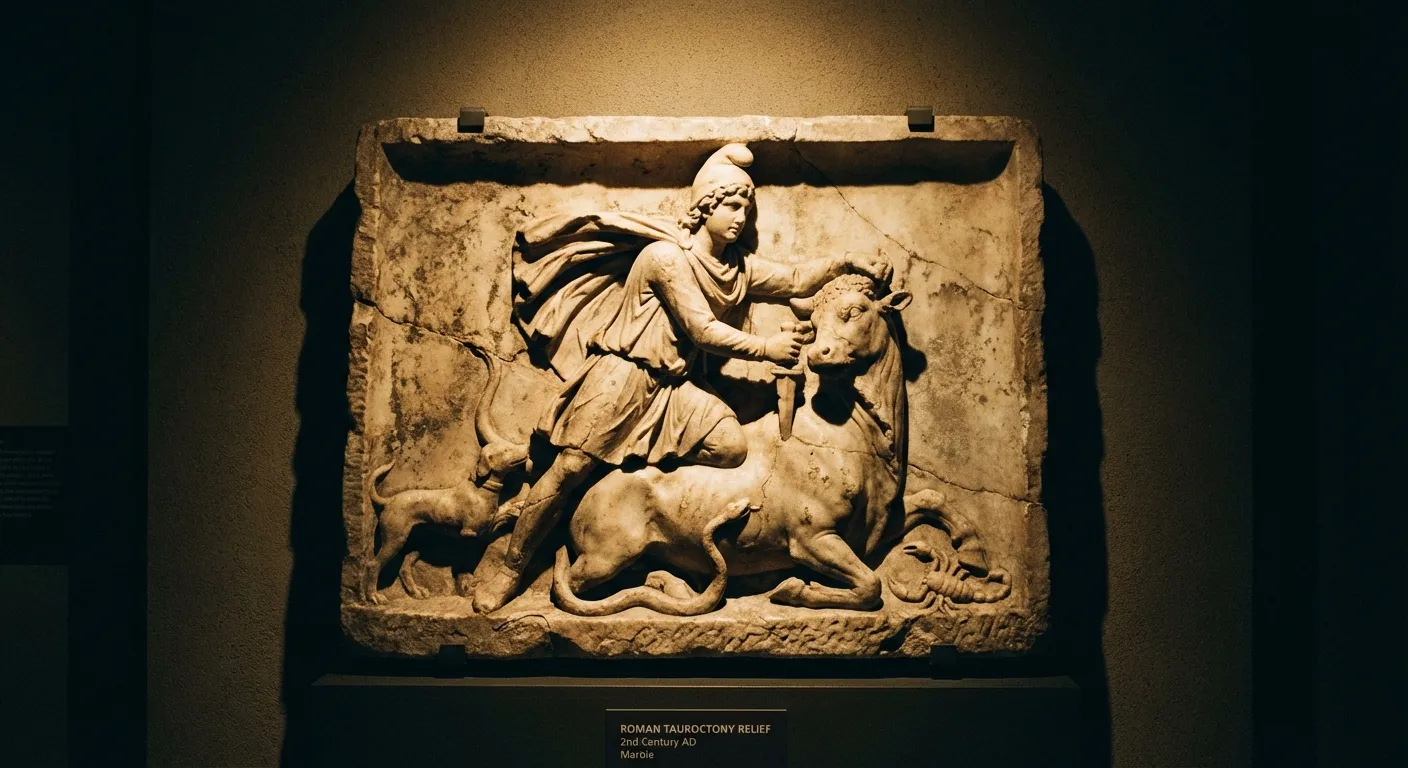
Zeitgeist claims Mithras was born of a virgin, had twelve disciples, and rose from the dead. But Mithras was born from a rock, the cult flourished after Christianity, and there's no resurrection in his mythology.
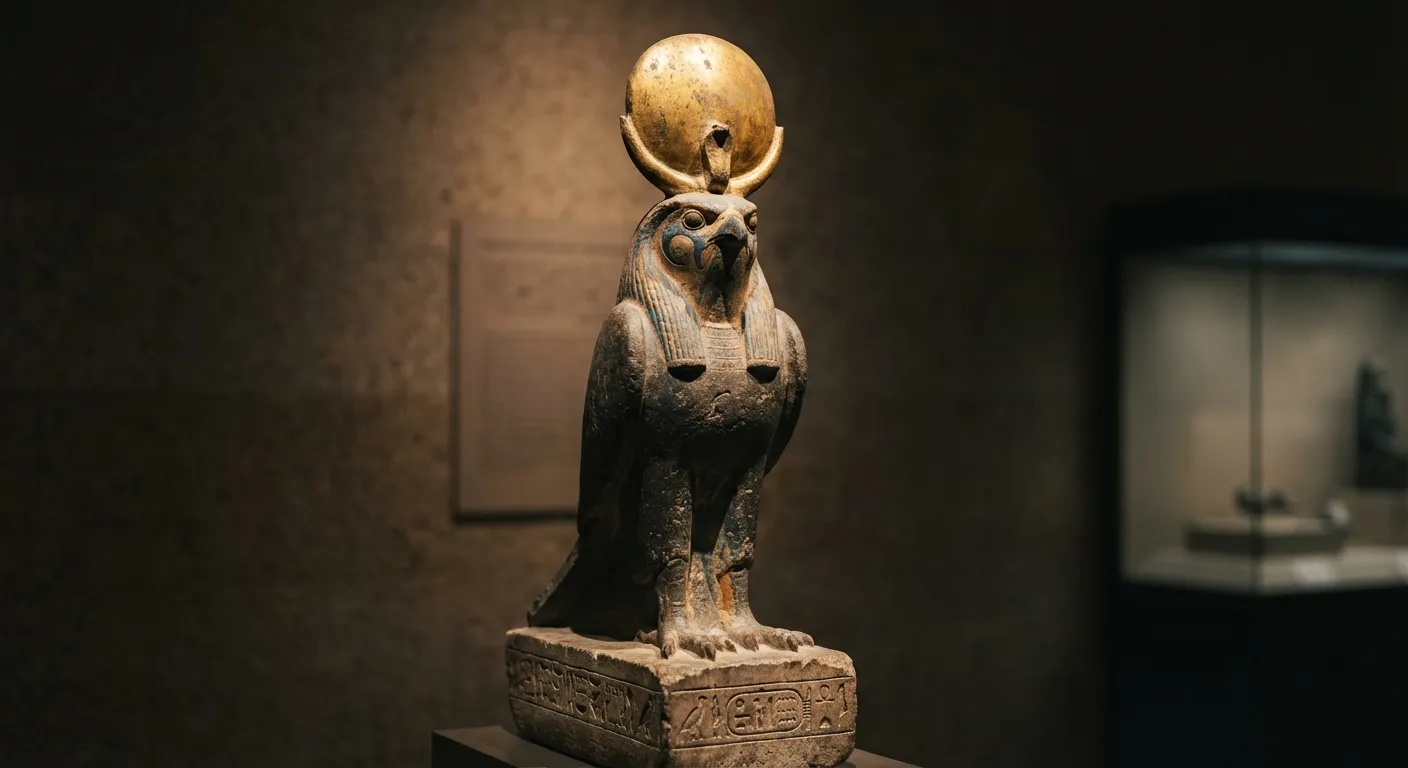
Zeitgeist claims Horus was born of a virgin on December 25, had twelve disciples, was crucified, and rose after three days. Egyptian sources tell a very different story.
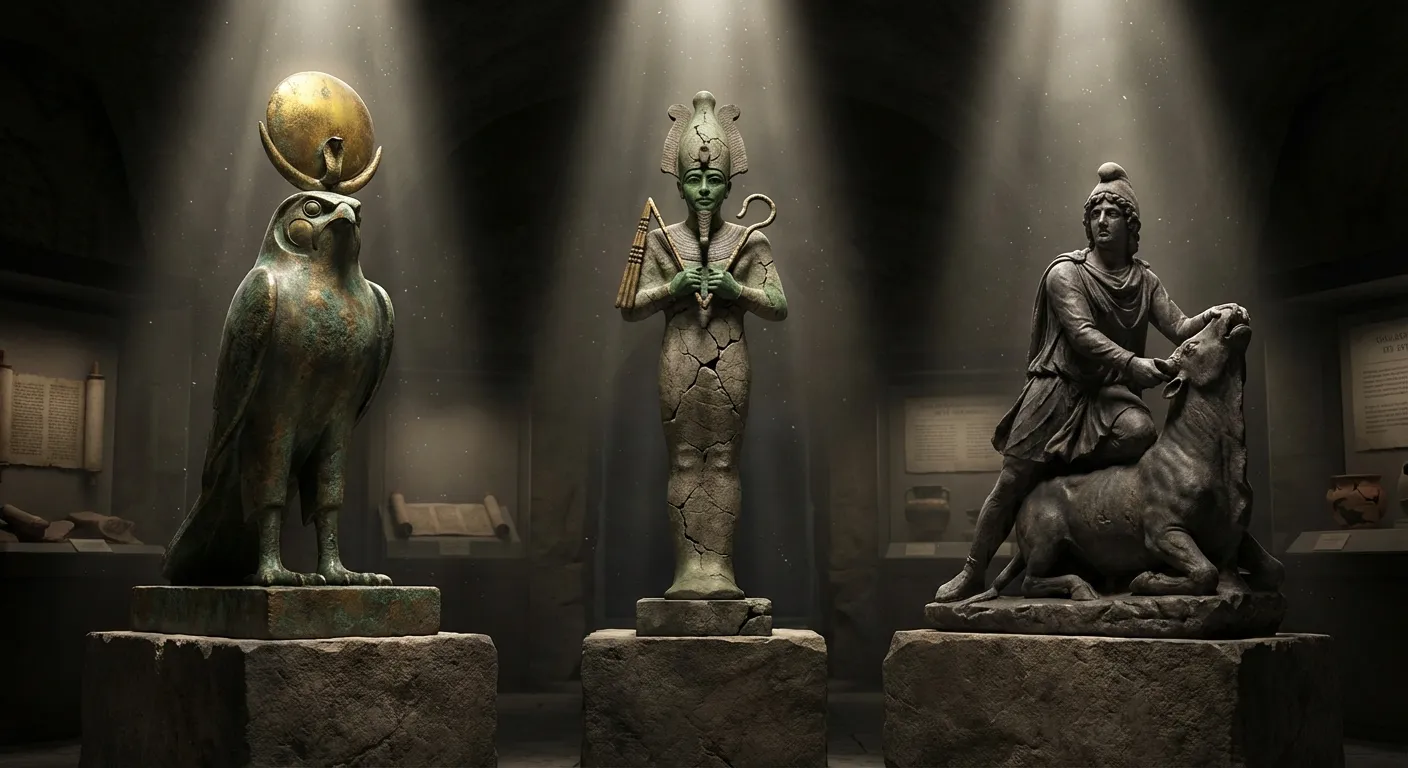
Zeitgeist alleges that Jesus was copied from Horus and Mithras, Noah from Gilgamesh, Moses from Sargon, and the Ten Commandments from the Egyptian Book of the Dead. What does the evidence show?
After examining five core claims that Jesus was a solar deity—Sun/Son wordplay, zodiac disciples, Virgo/Bethlehem, Orion's Belt, and winter solstice resurrection—what does the evidence actually show?

Zeitgeist claims the sun 'dies' for three days at the winter solstice near the Southern Cross, then is 'resurrected'—inspiring Christianity. The astronomy doesn't work.
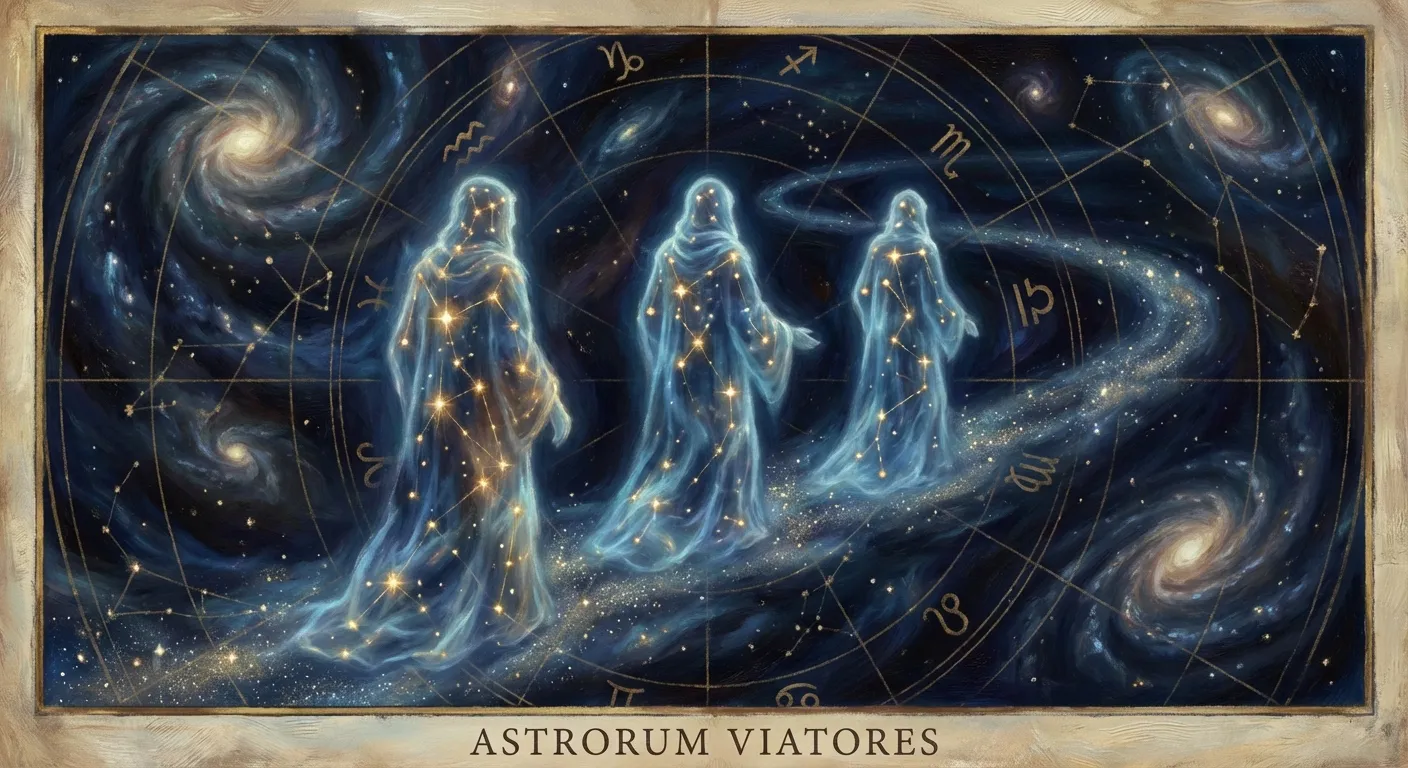
Did the Gospel writers encode Orion's Belt as the 'Three Kings' and Sirius as the Star of Bethlehem? A look at what astronomy and history actually reveal.
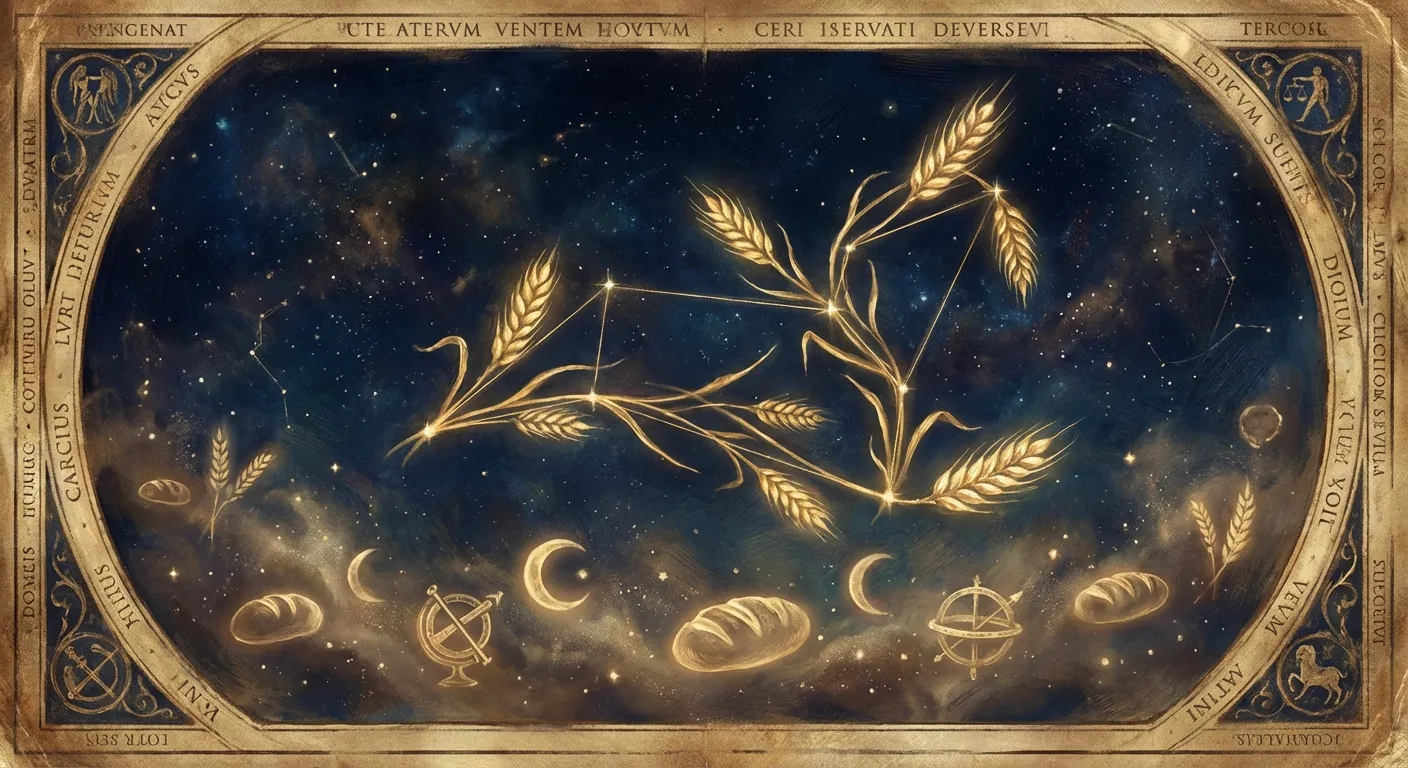
Did early Christians invent the Virgin Mary and Bethlehem by borrowing from the constellation Virgo? A careful look at what scholarship actually says.

Examining the claim that the twelve disciples symbolize zodiac signs rather than the twelve tribes of Israel—and why the evidence points firmly toward Jewish restoration theology.
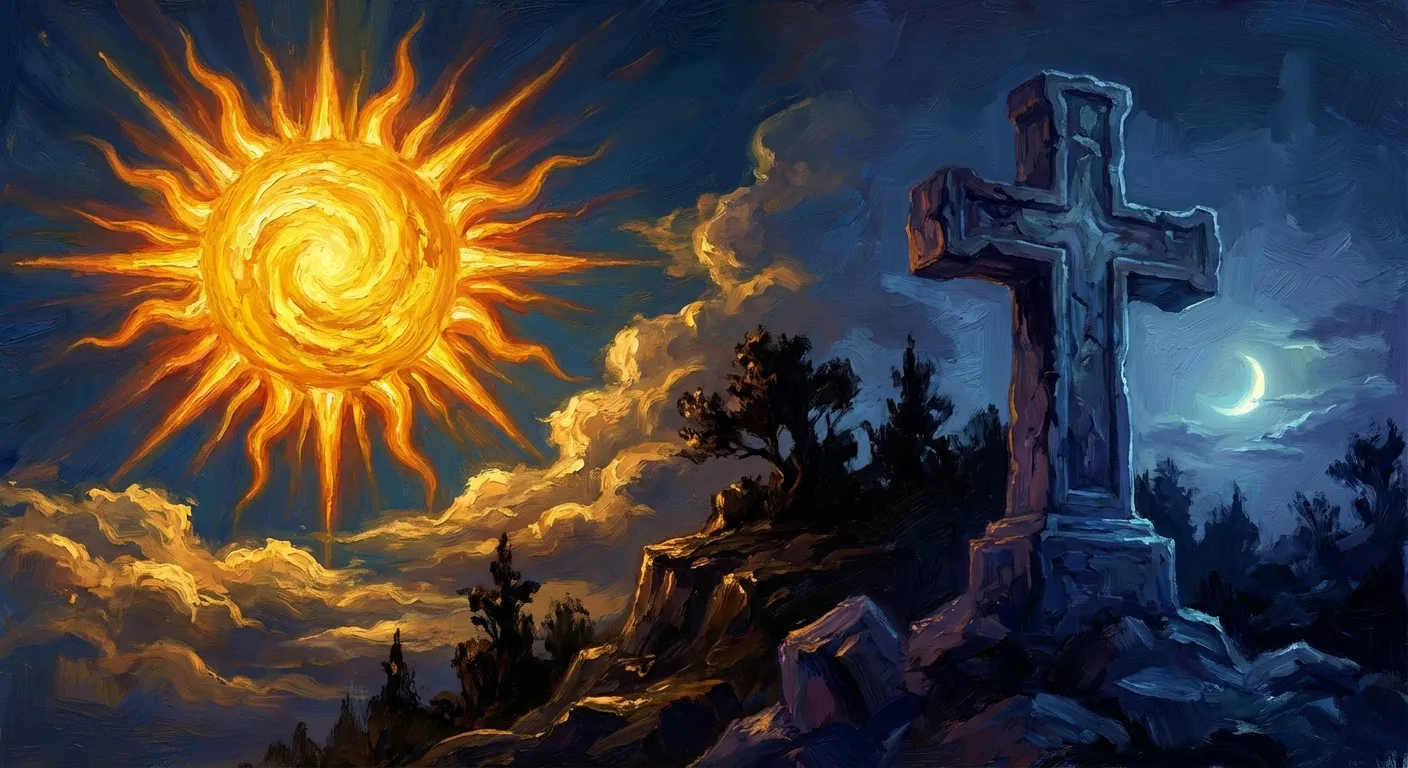
Examining the claim that 'Son of God' derives from 'Sun of God'—a wordplay that only works in modern English and collapses under linguistic scrutiny.
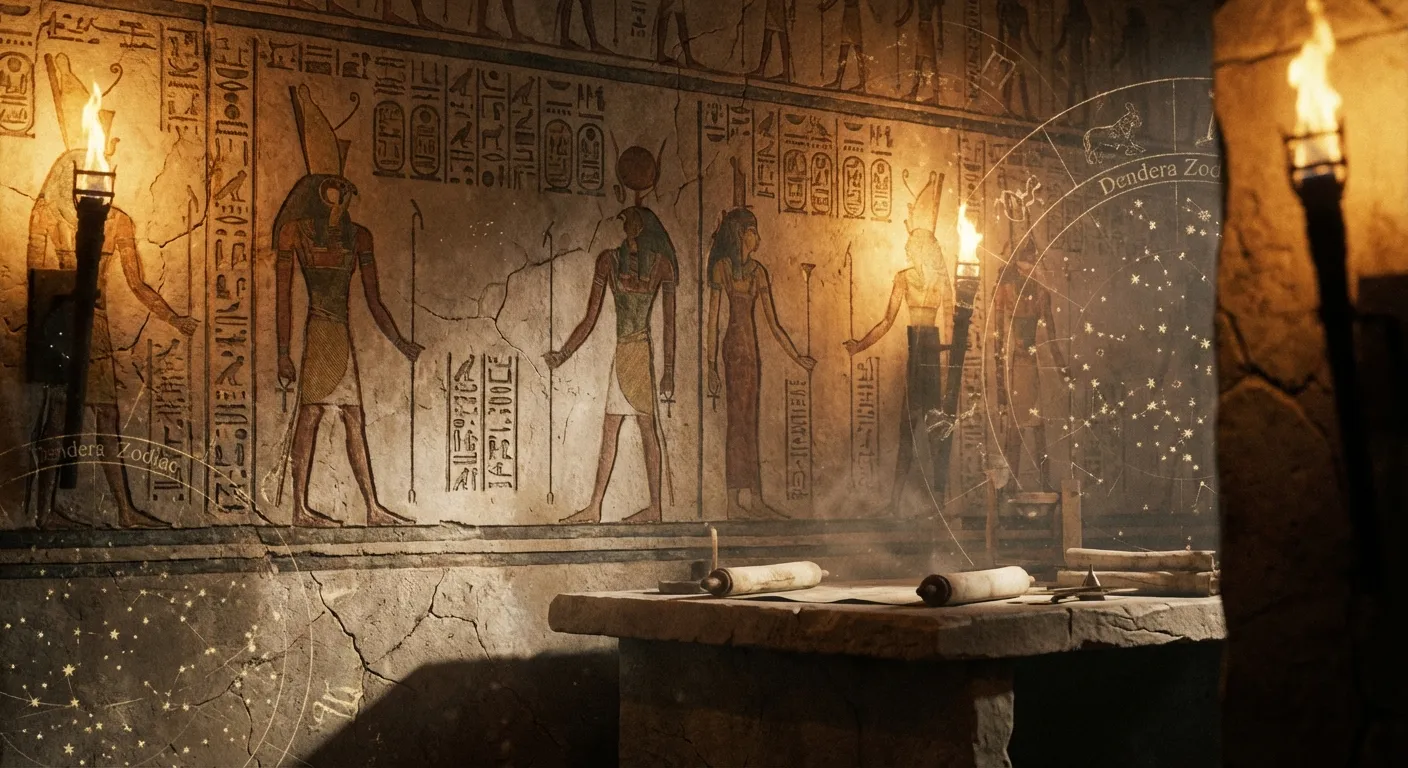
Introducing a series that examines the historical and theological claims made in the 2007 documentary Zeitgeist about the origins of Christianity.